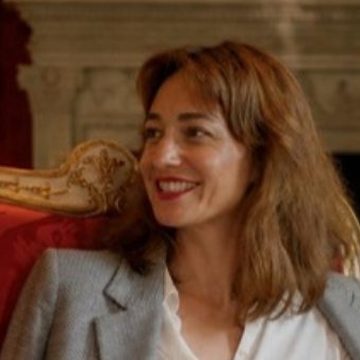
Biography
Catherine Freeman is an adviser on the secondary art market who works with collectors at the intersection of art, wealth, reputation and influence, and who was introduced on Wealth Office X as one of the leading authorities in that field.
Work in the secondary market
The secondary art market covers works that have already had at least one owner and are sold on, whether through auction houses, dealers or private sales. Freeman advises collectors operating in this market, and describes it as many systems within a single market. In her account, ultra-contemporary works, Impressionist paintings and Old Masters each behave differently, with their own buyers, price dynamics and routes to sale.
A central theme of her work is how art acquires legitimacy. Freeman regards collectors as central to an artist's standing. Works chosen with intent, placed in museums or assembled into recognised collections carry greater weight when they return to the market than works bought at random, and the story a collector builds around a collection becomes part of the value of each piece within it. She has described investment in art as more than a social investment, calling it a civilisational one.
Collecting and value
Freeman describes blue-chip works as those established enough that their value range is no longer in serious debate. Holding a few such pieces, she argues, gives a collection steadiness and allows the collector to be more adventurous with contemporary or lesser-known artists, because the core works have a track record of marketability over time.
She links the recent growth of art-secured lending to the availability of reliable historical price data. Once banks can refer to established values, she says, art can be borrowed against in a similar way to other substantial assets. She also sees younger patrons supporting artists jointly and using social media to widen their circles of collectors.
Outlook
Freeman expects the secondary market to become increasingly multipolar, rather than divided between a collecting East and a selling West. She anticipates that younger, technology-minded collectors will shape it, bringing expectations of greater transparency, richer experiences and better tools for establishing provenance.
On Wealth Office
Freeman appeared in the Wealth Office X episode "Who Really Controls The Secondary Art Market?", in conversation with Michael Macfarlane and fellow adviser Bigna Pfenninger. The discussion examined what counts as the secondary market, including the point that living artists can and should develop one, and how collectors confer legitimacy on artists. It explored patronage and the ecosystems that support it, with Singapore discussed as a market still building that ecosystem, and the discreet nature of the top of the market, where the most valuable works often change hands privately. Freeman also spoke about blue-chip works as the steady core of a collection. The final section turned to finance and the future, including a Deloitte and ArtTactic projection that art-secured lending could reach US$42 billion to US$50 billion by 2027, the role of price data in making art bankable, tokenisation and fractional ownership, and Freeman's expectation of a multipolar market led by a new generation of collectors.
On Wealth Office
Two secondary-market advisers explain how art acquires legitimacy, why the largest sales happen quietly, and what lending and tokenisation mean for collectors.
Insights drawing on Freeman


 Editorial · Never sponsored