Episode overview
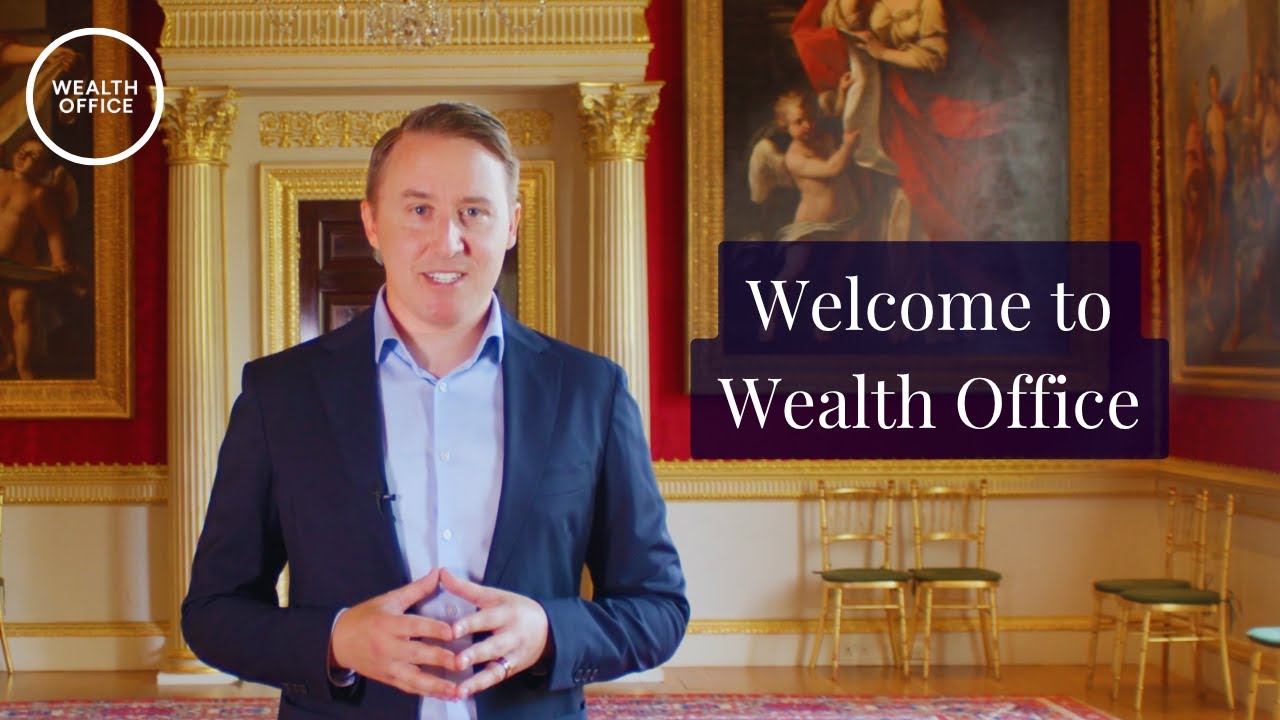
This short film introduces Wealth Office, the series in which Michael Macfarlane examines the role of wealth at a moment of global change. Macfarlane begins with history. For centuries, he says, the history of wealth has been closely tied to geopolitics, and each new age has expressed wealth in different ways. At the turn of the twentieth century, by his figures, Great Britain accounted for 2.5% of the global population but held 25% of global wealth, which manifested in grand stately homes and palaces filled with Renaissance art. By the turn of the twenty-first century, the USA accounted for 4.2% of the global population and held over 30% of global wealth.
Macfarlane argues that the global order is changing once again, and that wealth is no longer clustered into regions by geopolitics. He describes a brand new era of highly mobile wealth and of the family office, in which wealth is less about opulence and more about impact. He locates that impact across business and commerce, investment and philanthropy. In his account this is a period of tremendous global transformation, with wealth flowing into innovations and technologies of vast potential impact, and into supporting creativity and the arts in ways he describes as unprecedented.
The film then sets out the purpose of the series. Macfarlane says he will examine what is really going on, lifting the veil on the secretive world of wealth and exploring how it can make the world a more dynamic and more beautiful place. He will speak to wealth holders and wealth creators about their passions and examine the impact they want to have in the world. The introduction establishes the questions that run through the series about how wealth is held, where it is moving and what it is being used to achieve at a moment of great change.
Key ideas
Wealth has always followed geopolitics
Michael Macfarlane opens the series with the observation that, for centuries, the history of wealth has been closely tied to geopolitics. Each new age, he says, expresses wealth in different ways. The series uses this historical lens to frame its interest in the present, which Macfarlane describes as another period in which the global order is changing and the role of wealth is changing with it.
Two centuries of concentrated wealth
Macfarlane offers two reference points. At the turn of the twentieth century, he says, Great Britain accounted for 2.5% of the global population and held 25% of global wealth, expressed in grand stately homes and palaces filled with Renaissance art. By the turn of the twenty-first century, the USA accounted for 4.2% of the global population and held over 30% of global wealth.
The rise of highly mobile wealth
In Macfarlane's account, wealth today is no longer clustered into regions by geopolitics. He describes a brand new era of highly mobile wealth. The implication he draws is that the earlier pattern, in which a leading nation held a disproportionate share of global wealth, no longer describes the present. The series sets out to understand what that mobility means for how wealth is used.
From opulence to impact
Macfarlane calls the present the era of the family office, in which wealth is less about opulence and more about impact. He identifies that impact across business and commerce, investment and philanthropy. The contrast with the stately homes of an earlier age is deliberate, setting the visible display of wealth against its use as an active force in the economy and in society.
Capital at the frontier and in the arts
Macfarlane describes a period of tremendous global transformation in which wealth is flowing into innovations and technologies of vast potential impact. He also points to wealth supporting creativity and the arts in ways he describes as unprecedented. Both strands connect private capital with the forces reshaping the world, from technological change to cultural life, and frame the conversations that the series sets out to hold.
Lifting the veil on a private world
The film sets out the purpose of the series. Macfarlane says he will lift the veil on the secretive world of wealth and examine how it can make the world a more dynamic and more beautiful place. He will speak to wealth holders and wealth creators about their passions and the impact they want to have, examining the role of wealth at a moment of great change.
In their words
For centuries, the history of wealth has been closely tied to geopolitics. And for each new age, wealth manifests itself in different ways.
— Michael Macfarlane, Wealth Office
We're in a brand new era of highly mobile wealth. We're in the era of the family office, where wealth is less about opulence and more about impact.
— Michael Macfarlane, Wealth Office
It's flowing into supporting creativity and the arts in ways that are unprecedented.
— Michael Macfarlane, Wealth Office
I'll be lifting the veil on this secretive world of wealth and how it can make the world a more dynamic and more beautiful place.
— Michael Macfarlane, Wealth Office
Quotes are taken word for word from the episode transcript.
Questions this conversation answers
What is the Wealth Office series about?
Wealth Office examines the role of wealth at a moment of great global change. In the series introduction, Michael Macfarlane says he will lift the veil on the secretive world of wealth, speaking to wealth holders and wealth creators about their passions and the impact they want to have, and exploring how wealth can make the world more dynamic and more beautiful.
Why does Michael Macfarlane connect wealth with geopolitics?
Macfarlane argues that the history of wealth has long been tied to geopolitics, with each age expressing wealth differently. He cites Great Britain at the turn of the twentieth century, holding 25% of global wealth with 2.5% of the global population, and the USA a century later, holding over 30% with 4.2%. He says the global order is now changing again.
What does Macfarlane mean by the era of the family office?
Macfarlane describes the present as an era of highly mobile wealth that is no longer clustered into regions by geopolitics. In this era of the family office, he says, wealth is less about opulence and more about impact across business and commerce, investment and philanthropy, with capital flowing into new technologies and into creativity and the arts.


 Editorial · Never sponsored